29 April 2006

Pictures from places I've lived.

These pictures are all taken somewhere near where I have lived at
sometime.

Some of you will recall that I posted at holtieshouse about the aroma
of coffee that I sometimes get from the Nestles factory near my house
in Gympie.

This photo is taken on a 10x zoom setting from my back verandah, it
shows just why I can smell the coffee if they are processing when there
is a breeze blowing my way.
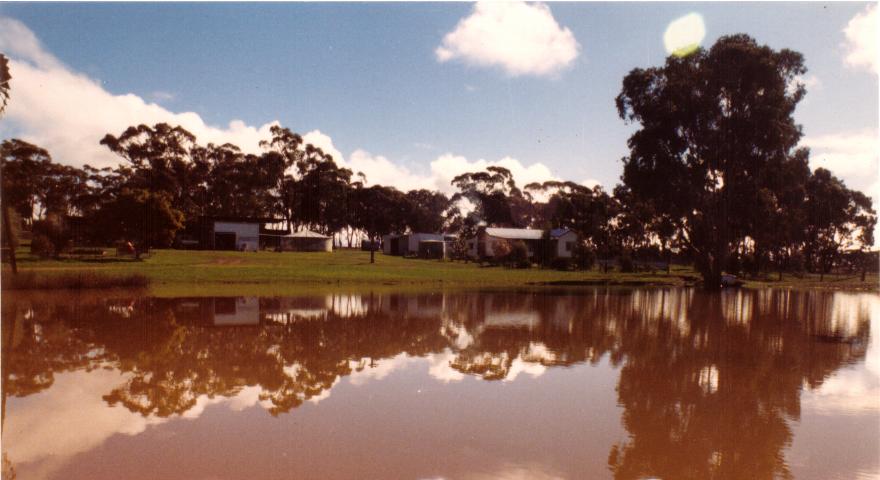
This one shows the house and some of the sheds at our farm at
Maryborough all reflected beautifully in the dam.

There has also been a few posts at holtieshouse about this 14 year period.
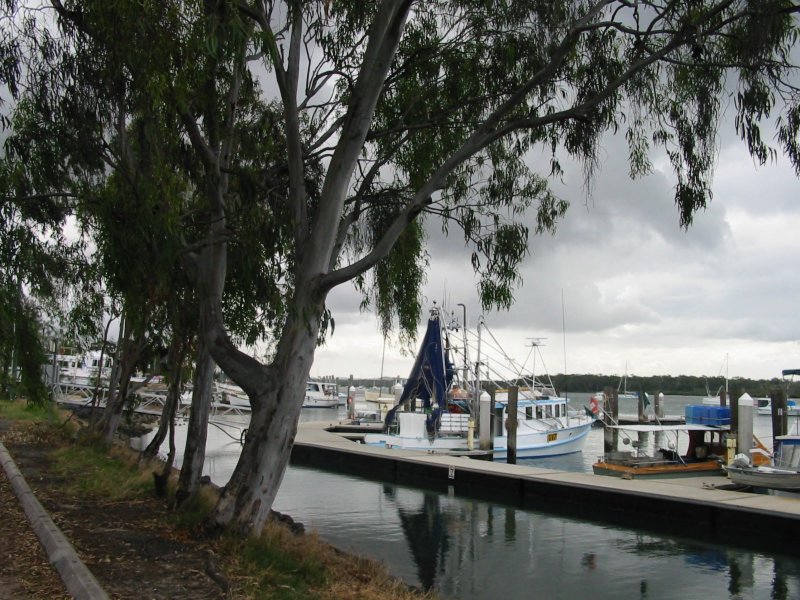
The lovely little seaside town of Tin Can Bay was home for three years, this
was the first three years after my marriage to Julie broke down, so while I
think of it as a lovely spot, I still can't say I was totally happy there.

This is sunset from the back verandah at Gympie, the Nestles factory is in
the left hand corner of this one.


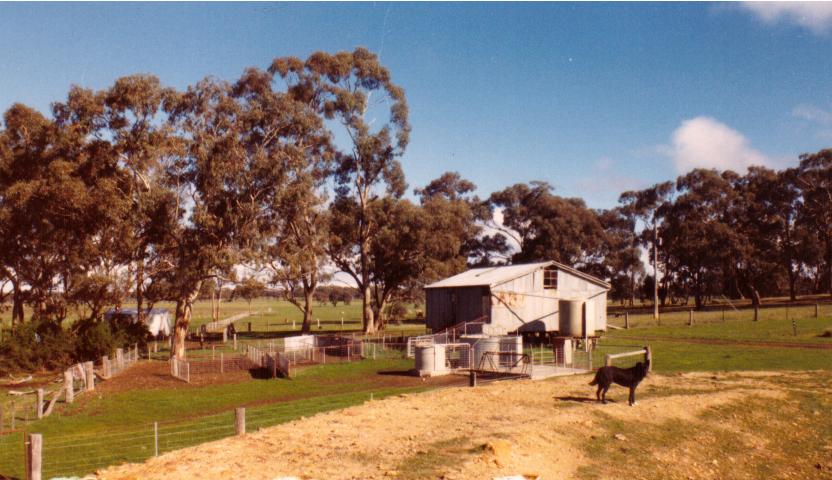
Here Boston, our Kelpie sheepdog stands on the bank of the dam waiting to
see where his "mother" the motorbike was going to tell him to go, shearing
shed and sheep yards are behind Boston, as are some of our paddocks.

Kelpie's are a very intelligent working sheep/cattle dogs, we got Boston as
a small pup from a neighbor, it didn't take him long to work out that he
knew more about sheep than I did, so until I found that he would follow
"instructions" from the Ag. Bike, we were often at loggerheads about how
best to move our sheep around.
25 April 2006

Random Pictures

Some more pictures from here and there, no theme for these.

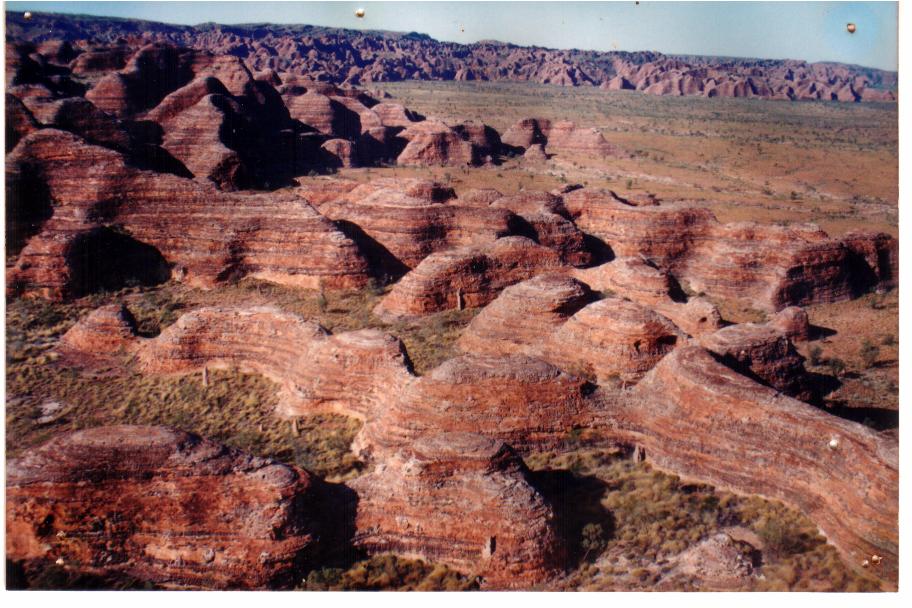
Another view of the Bungle Bungles located at the top of West Australia.

This one was taken from a helicopter flight that we went on, a marvellous way
to see the sights, the pilot hovered over or alongside many spots for photos.

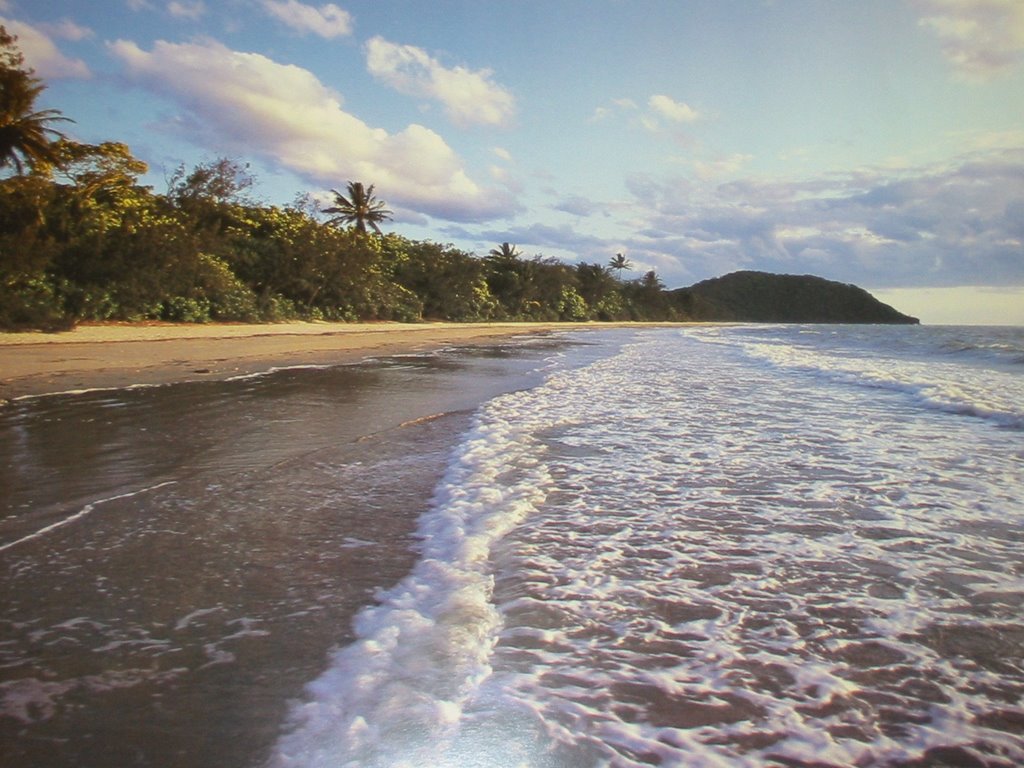
The beach at Cape Tribulation, far North Queensland.

This is one of the few spots where the rain forrest comes right down to meet
the Pacific Ocean, a truly spectacular sight to see.

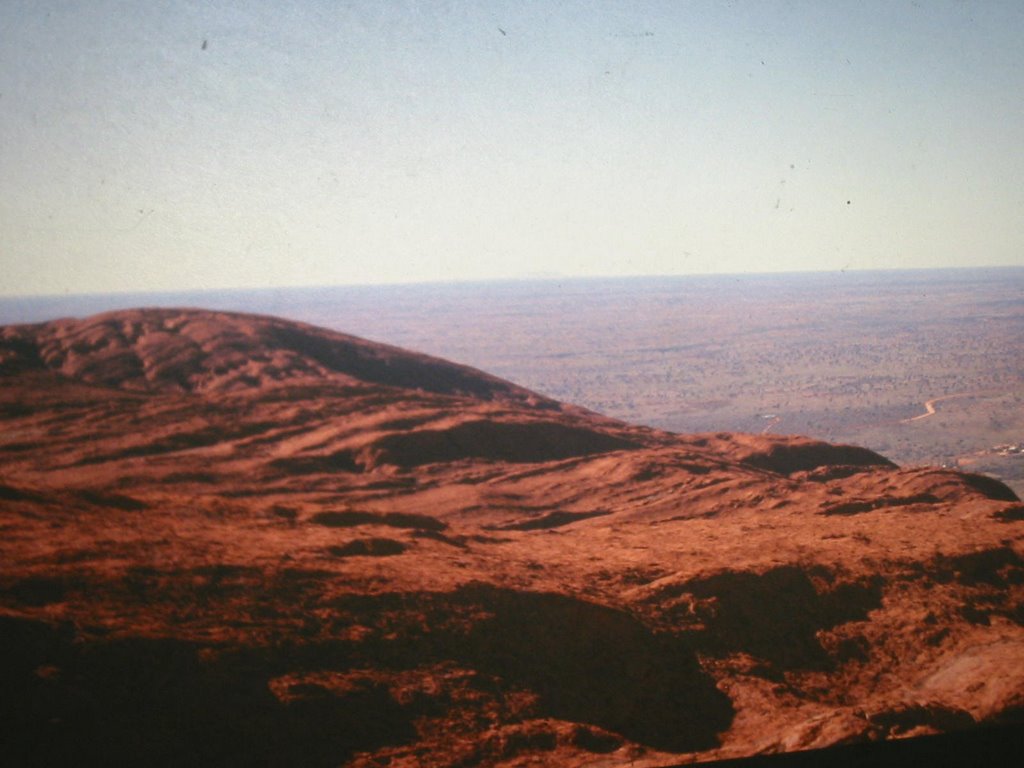
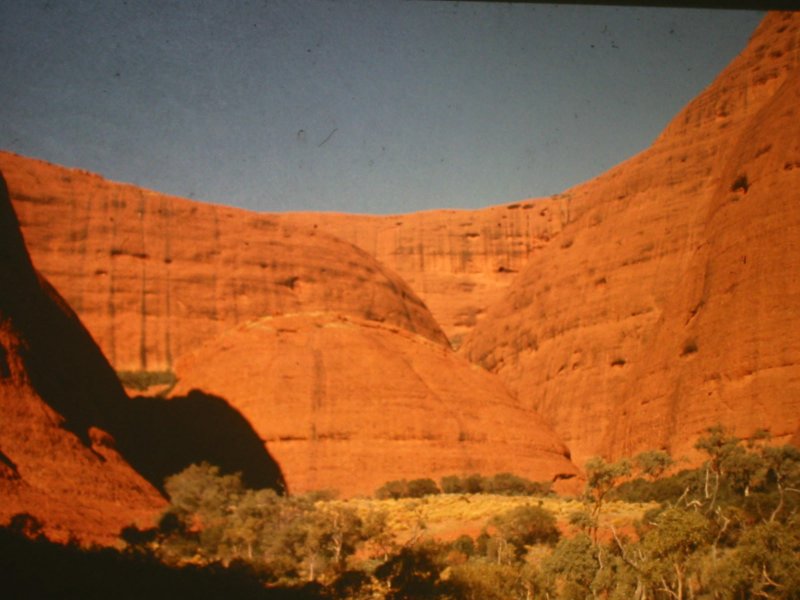
Another view from the top of Ayres Rock, in 1979 it had not been handed back
to the aboriginals so the name Uluru was not in common use.

This photo shows why the rock stands out so clearly for miles, just look at the
flat landscape that surrounds it, the walking track that goes around the base
of the rock is almost 10 km (about 6 miles) so it's a big rock.

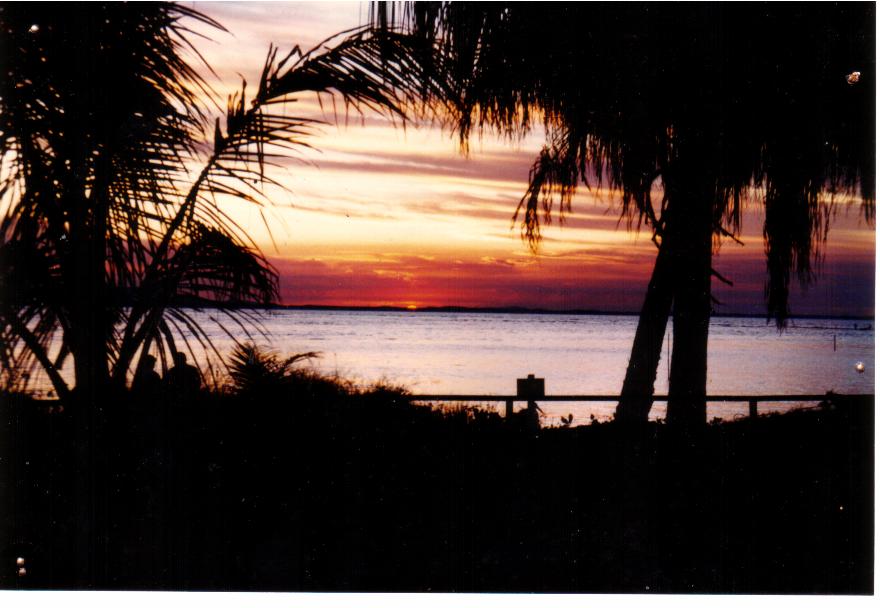
This shot is of a lovely sunset shot taken at Saysha beach near Bamaga on
Cape York Peninsular in Far North Queensland.

There is a Caravan parked alongside the track up here that is known as "The
Croc Shop" it is clearly marked on all the maps of the "Top End" and may well
be the only Caravan to be shown on a map anywhere.

There is a sign at the Croc Shop that states Cairns is 1080 miles and
1,638,758 corrugations South, The Tip of Australia is 57 miles and
283,009 corrugations North. I DID NOT count them but there are lots.

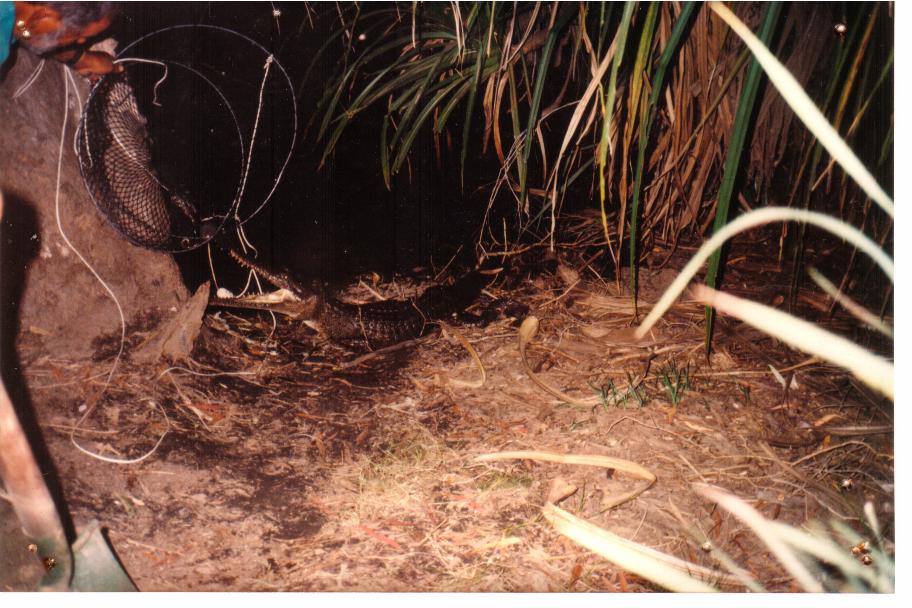
This is the Fresh Water Crocodile I caught in a crab net while trying to catch
a marron, (Large freshwater Crayfish or Yabbie if you are familiar with that
name) instead we caught this not to friendly Crocodile.

There is a full story about this event at holties house on 21st February 2006,
suffice to say here that he presented some problems when I tried to disengage
him from my net, which I wanted back, please click on the photo as he
becomes much more real as he grows.

24 April 2006

Uluru, Ayers Rock.

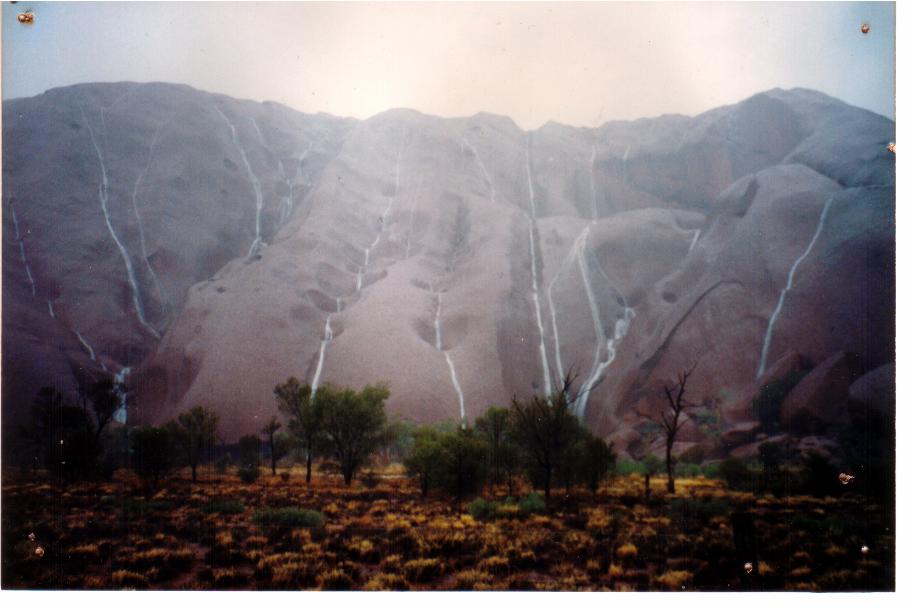
This is Uluru or Ayers Rock in Central Australia the worlds largest monolith

This one is fairly unusual in that there is rain water streaming down the face
of the rock, unusual because heavy rain in Central Australia is relatively rare.

We were camped at the tourist park on a visit to the rock a few years ago, at
about midnight I was awakened by the sound of rain, once the fact that we
were at the rock and it was raining permeated into my sleepy brain, I woke
Julie and said "let's go and see the rain pouring off the rock," use some
imagination here folks and you will get to gauge the reaction I got, "It's pitch
black and raining, are you mad?" (that's a VERY sanitised version!!)

Even when I explained that we had rainware, spotlight and torches, the
reaction was still the same, Sheesh!!!

Next morning, bright and early, we headed for the rock and were greeted by
the magnificent sight of rain cascadeing from all the crevices and cracks in
the rocks surface and the pools, some quite substantial, that had already
formed around the base, a lovely and unusual sight.


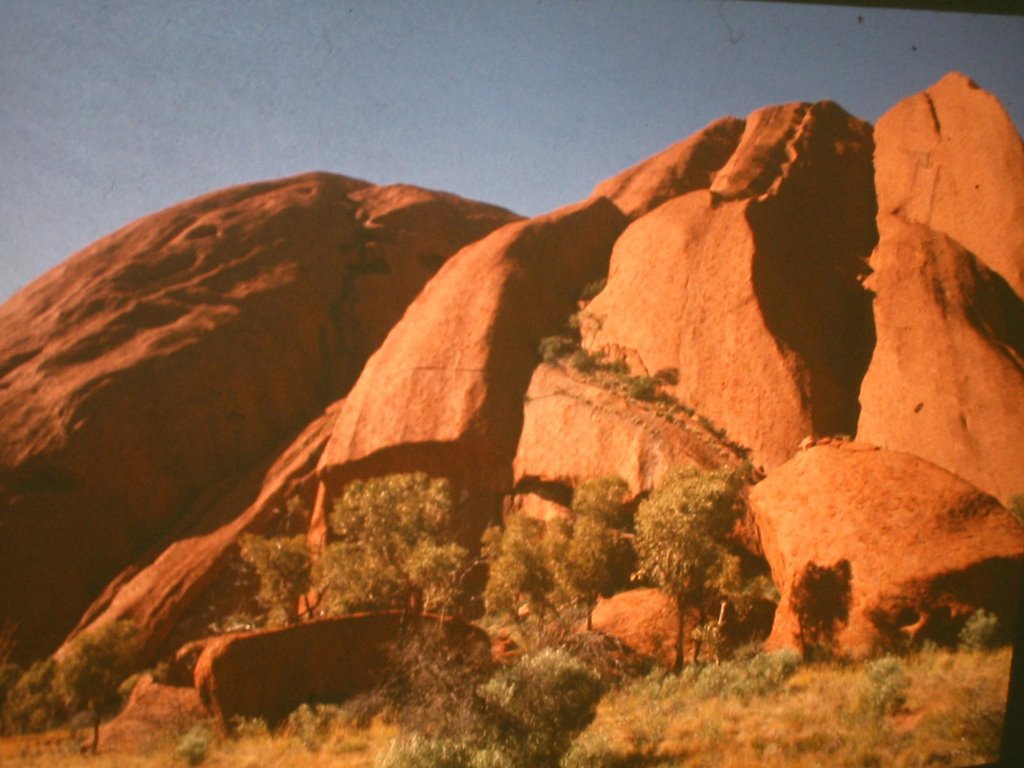
In this closer image it is clear that there are trees around the base and some
crumbling and breaking up of the surface.

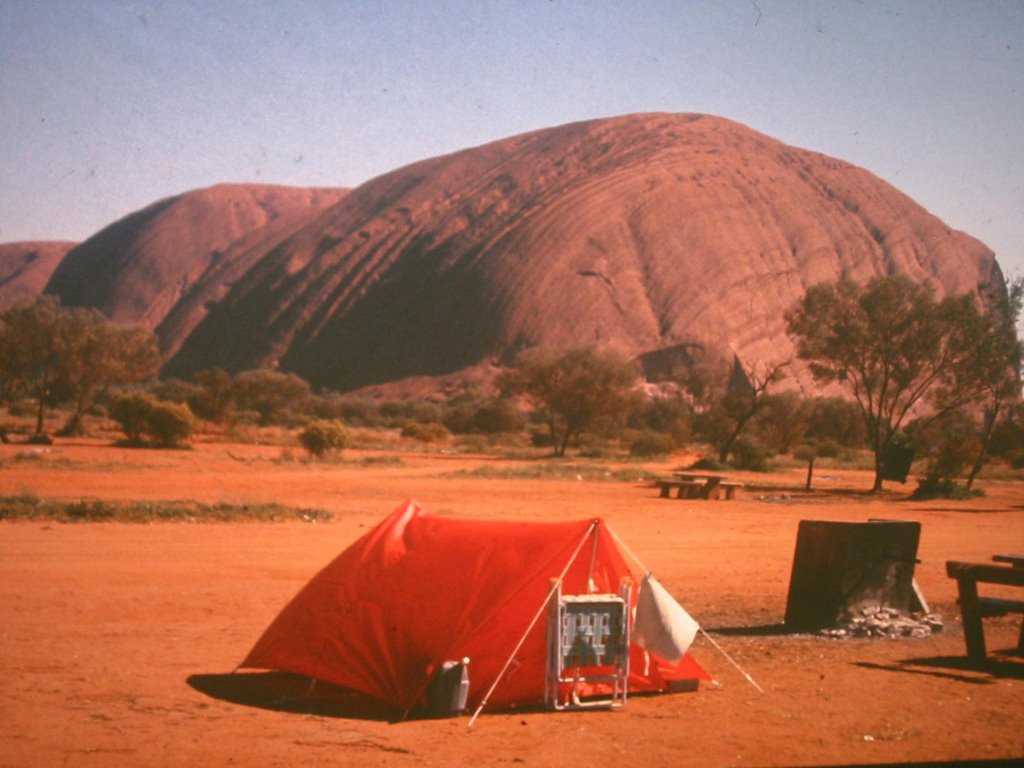
Our home for the week we were at the rock, we left the caravan at Alice
Springs, (about 150 miles away) as the roads was pretty rough back then,
(1979)

Now the only camping allowed is at a site about 10 miles from the rock,
hidden away in the sand dunes, it's nice, BUT, I'm so glad we were there
before it got so sanitized.

From the top looking down is a different sensation and gives a little idea
of the size, there is a chain hand hold for some of the steep parts.

This area is known as "Sunset Strip" it is the chosen location for tourists,
(often in their hundreds) to gather for photos of the colour change that
occurs with the setting of the sun each day,

The colour range is from the quite vivid red in full sun, to an almost purple
as the light fades, just one of natures wonderous sights.

23 April 2006

Port Douglas, Far North Queensland.

There is a beaut little town just north of Cairns in north Queensland called
Port Douglas, it's picture postcard pretty, and it seems there is some chance
that my Grand-daughter Stacey could get married in this lovely church.

St Mary's by the Sea is one of the prettiest small churches I have ever seen,
it is located on a pretty little bay, and is only 100 yards from the waters
edge.

In spite of this very open position in an area that is no stranger to Cyclones
it has weathered the years without any visible damage.

My Grand-daughter fell in love with Port Douglas and St Mary's when she
worked up here a few years back, and it seems there is a chance that she
will get married here.

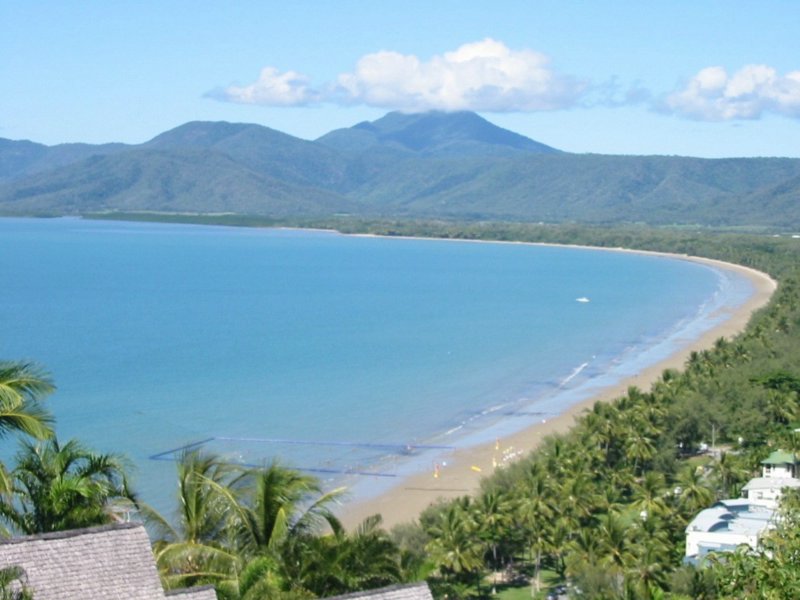
The view of the beach at Port Douglas is magnificent, back in the days of my
first visit here there was a row of coconut palms growing along the edge of
the water, always with a ripe coconut to be found under the trees.

Sadly the coconut palms have gone and in their place there are severl tourist
hotels, a luxury golf course/country club and other trappings of the resort
rich area it has become.

It's other major claim to fame was a pie shop that sold the best pies in
Queensland, (at least in the eyes of the locals and the loyal tourists) the pie
shop is still there, and their pies are still excellent.

21 April 2006

Travel Pics From Here and There

Somehow these photos got out of order when I loaded
them
so please excuse the story jumping around a bit


In the far north of West Australia there is a little know
area called the “Bungle Bungles” there are more people
flown in for a quick look by helicopter than folk who
drive in as we did, (we also took a helicopter flight too.)


The area is known for the dozens of “Plum Pudding” like
rock formations which are 100/200 feet high and several
hundred yards around the base, it is well worth
putting up with the
rough track to get there.


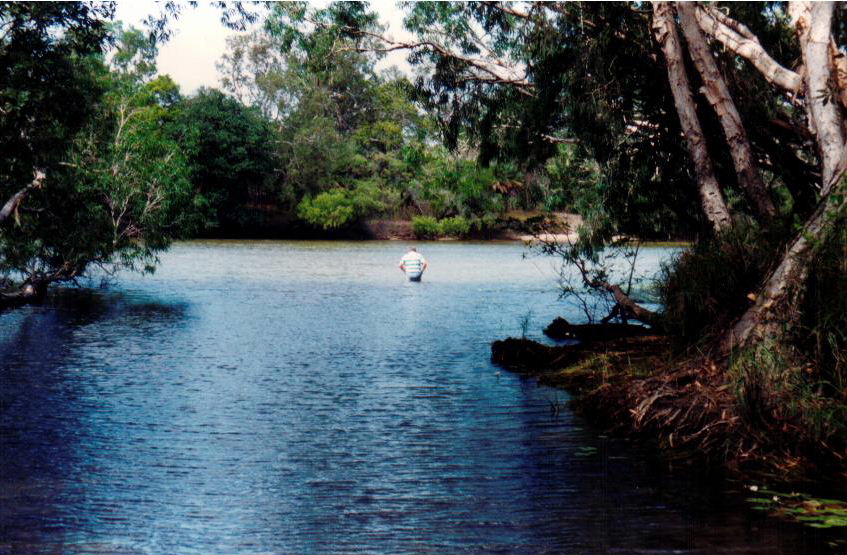
Yes that’s me wading across the Jardine River in far
north Qld. and YES there are crocodiles in that river,
there is an odd mix of adrenalin and testosterone
that can cause men to do strange things.


Only a few short years ago the intrepid traveler who
wanted to go to the tip of
Cape York Peninsular had to
ford the
Jardine River at this spot, now-a-days there
is a vehicular ferry only a couple of miles down stream.


Because the adrenalin/testosterone levels were
running high I had decided to ford the river on our return
trip, in the photo I am about half way across, (it’s about
200 yards from bank to bank) and it wasn’t until I reached
about this spot on the way back that I even thought
about crocs.


The ford is seldom used now so rather than just drive in
and hope for the best the idea is that you “walk” the river
first, zig-zagging around a bit to make sure there are no

holes, trees or sunken 4WD vehicles to impede you progress.


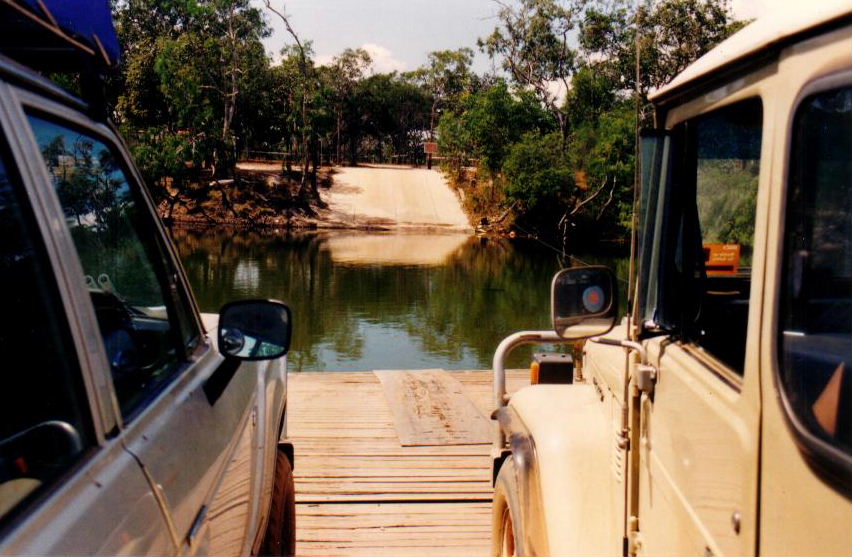
This one was taken from the ferry crossing the Jardine
River on the way up to the top end.

This is a safe and, for the adventurous type, dull way
to do it.


This Car Wash is one of the many beautiful clean creeks
to cross on the trip to
Cape York
, there are no crocs here,
this trip still rates as one of the “Adventure” 4WD trips
in
Australia.


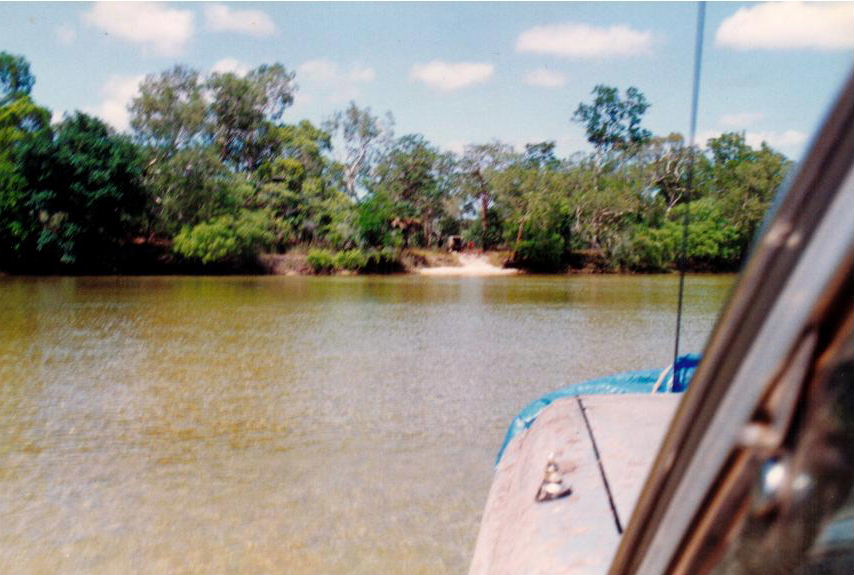
This shot shows us just launching our craft into the
river, having made our preparations; putting a tarp on
the front to reduce the water flow into the engine bay,
(the bow wave keeps water out to some degree)
reducing tire pressures to improve traction, making
absolutely certain the vehicle is in 4WD
Low Range 2nd
gear.


The intention is that we will not stop, change gears or in
any way break our steady progress during the crossing.

To get a little perspective on this venture, the spot is
1,000 miles north of
Cairns and very remote a fairly
conservative estimate for salvage from here would be
$2,500 plus the cost of repairs that were needed, so
not something to be undertaken lightly,

The good news is that everything went exactly to plan
AND I didn’t get eaten by a crocodile, and boy did it

feel good, for a short time we were pioneers !!


19 April 2006

Bits and Pieces from Here and There.

Just some bits that caught my eye, no theme this time.

This is the cliff face that retards the erosion of the Southern Ocean along
"The Great Australian Bight" in SA.

These sheer cliffs run for about 100 miles along the coast in a giant arc which
is almost like something has taken a huge bite from the land

"Boys and there toys" could be a good title for this shot, I was photographing
the train, and suddenly the driver got out and offered to take my photo with
the train, how could I resist that.

I travelled from Gympie to Cairns by the new "Tilt Train" just for the
experience, a distance of about 1,100 miles, this train rides on a new design
under-carriage that allows the body to lean over on corners, thus Tilt Train,
a very comfortable ride indeed, also very quiet.

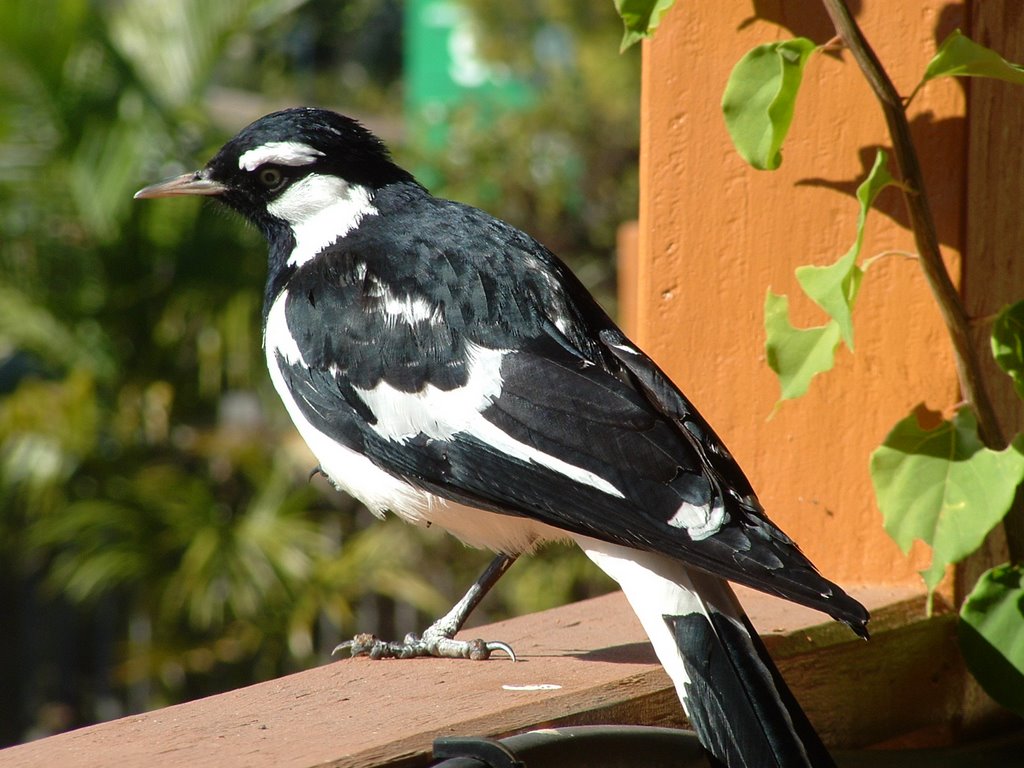
This is the "bird" I have breakfast with, a really friendly little "Mudlark"
It does have two legs, just seems to like standing like this.

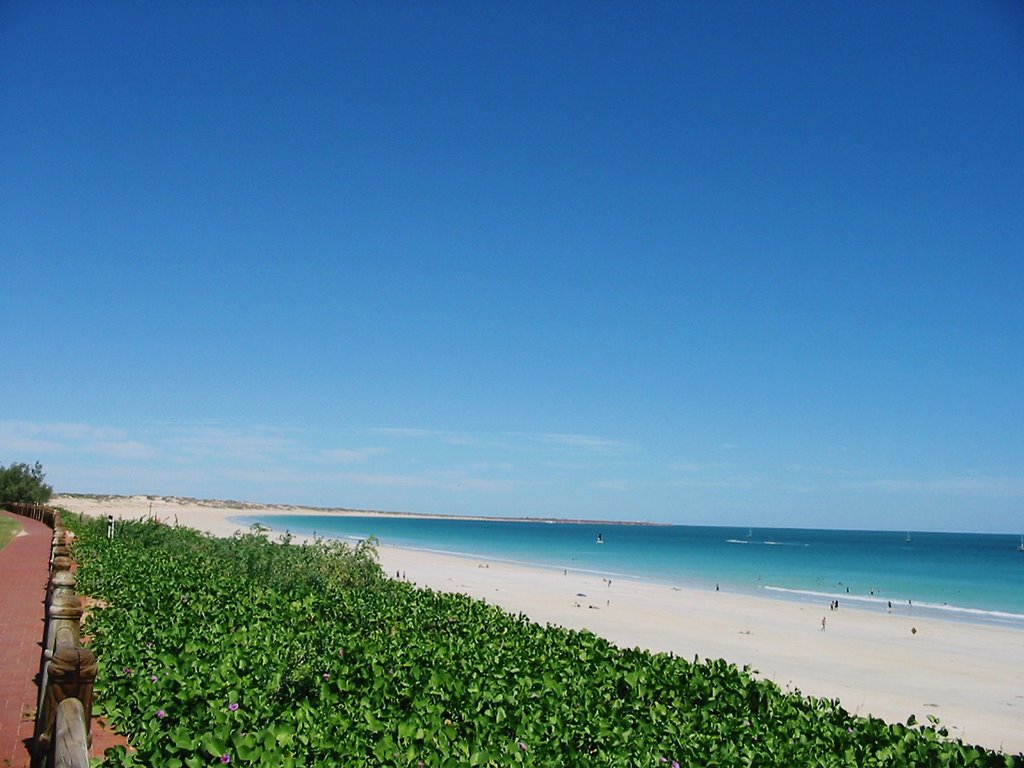
This is the famed Cable Beach at Broome WA. hard packed white sand and
the bluest water you could imagine, framed by a lighter blue sky, makes a
very pretty picture.

It's also a popular nudist beach, which makes for another pretty picture...
Usually!!!

This one is included for my "Bikie" buddies June and Charles.

They were very realistic looking Hogs made from scrap metal, nuts, bolts, wire
and washers mainly, That must be you June on the second bike as I can't see
any other pillion riders.

I didn't buy one and have been kicking myself ever since as I've not seen them
again anywhere.

Definitley Not A Cute Animal.


This is George, an inmate at Steve Irwins Australian Zoo, he is about
16 feet long, and probably won't grow much bigger now.

Steve can have them all to himself as far as I'm concerned, few animals
are better equipped for killing than the Crocodile.

Some Not So Cute Animals

Starting with the latest in a spectacular list of bad choices from our past.

These have included; Rabbits, Foxes, Donkeys, Prickly Pear, Blackberrys
and the list goes on, no wonder we have some of the toughest Quarantine
laws in the world.

The cane toad was imported to help our sugar cane farmers eradicate
pests from their crops.

This very adaptable little critter has instead decided to populate the northern
part of Australia, where he has wreaked havoc to our native wildlife, some by
killing them for his food, (he is a gluttonus bugger) other by poisioning them
when they attack or eat him, (hey can we blame him for this?)

Because the breed so rapidly, a chain of 20,000 eggs per female every 3/4
months, they have decimated our native frogs.

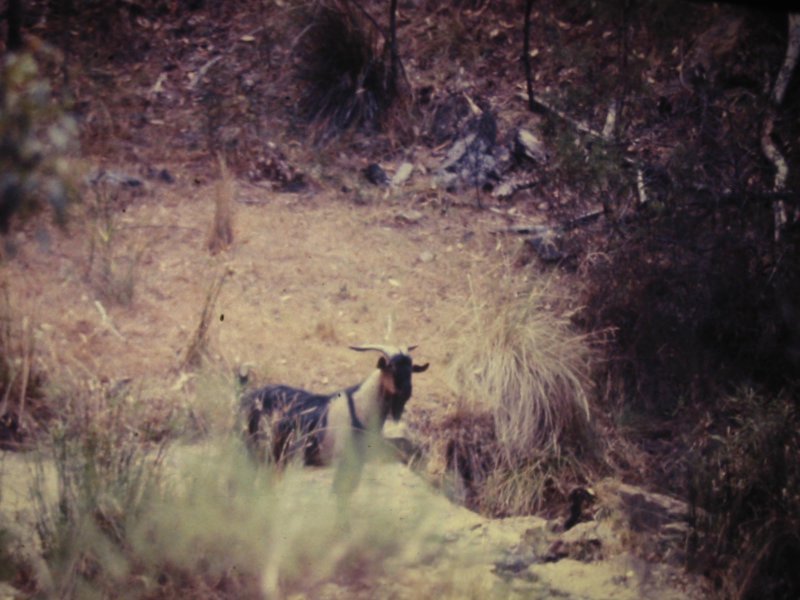
Feral goats had grown to such numbers in some areas that they were being
culled as vermin, somebody then did some research on their fleeces and
their origin.

It was discovered that they were decended from Cashmere stock, they have
since been farmed and now produce some of the worlds best cashmere and
mohair fleeces in the world.

So a new industry has sprung from what appeared to be a very bad situation.

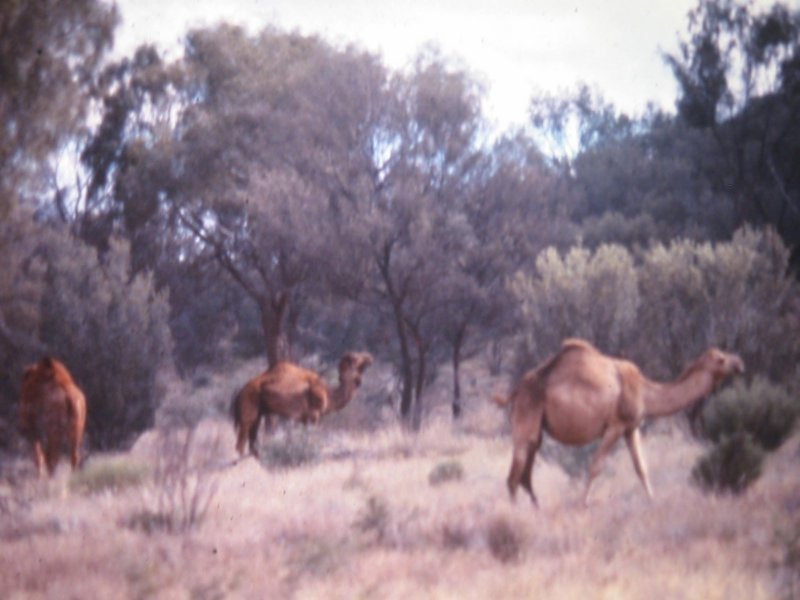
Camels and their handlers from Afghanistan were introduced as beasts of
burden able to handle the harsh conditions encountered when settlement
and exploration of the centre of Australia was undertaken in the 1800s.

During construction of the overland telegraph line, 2,500 miles through some
of the driest and most desolate country on earth they proved invaluable.

Our world famous train, "The Ghan" is an abreviation of Afghan, and pays
tribute to the service of the camels and cameleers of our past.

The remnats of those working camel herds were released to roam wild in
the deserts they helped to tame, there are sizable numbers in some areas.

Another intrduced species that for a short time was a beast of burden here.

For whatever reason they were eventually turned loose to roam free, they bred
into very large numbers in the far north, this would not have been a serious
problem probably if they had not contracded tuberculosis.

This disease spread to the beef herds of northern and central Australia, and as
inoculation of the wild herds was not possible a total cull was ordered, they
were hunted and shot from helicopters until the only survivors were a small
herd that were captured and domesticated, (and inoculated.)

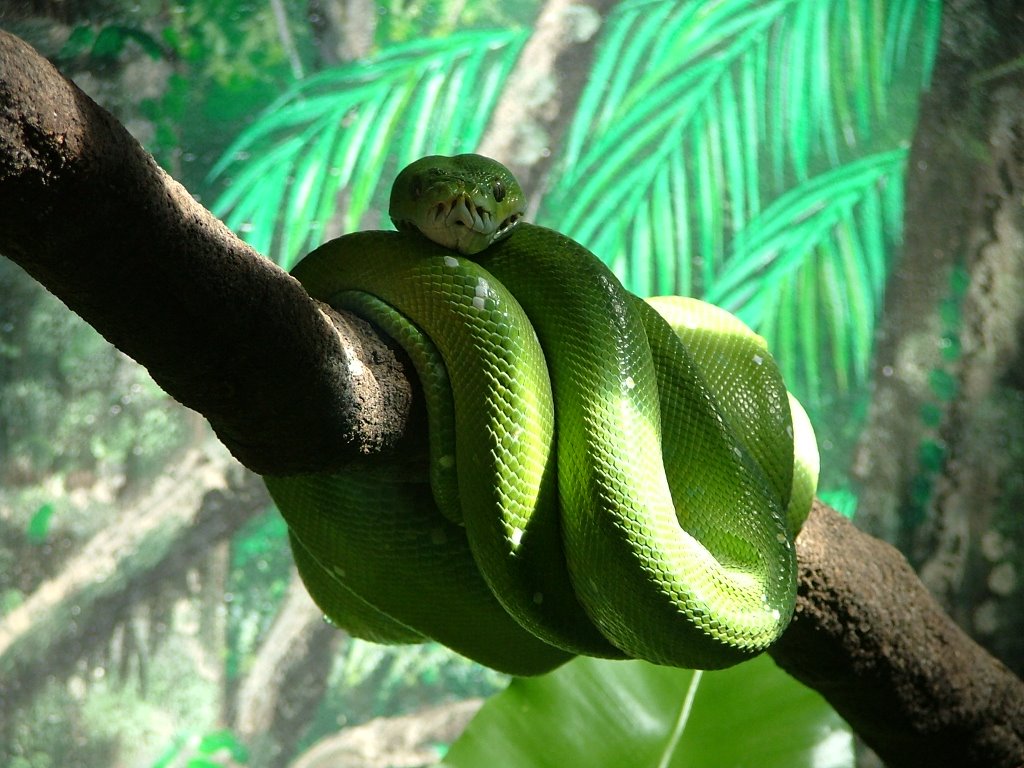
This fellow isn't an introduced species, nor is he particularally nasty, he is a
"Green Tree Snake" a member of the python family, he is not venomous so
unlike many of his kind not a bad fellow to have around, they are among the
best hunters of rats and mice in the world.

Besides I love the photo, it's another taken at Steve Irwins Australia Zoo.

Mother Nature, Aussie Style.

Mother Nature really is grand, just a few examples of her diversity.

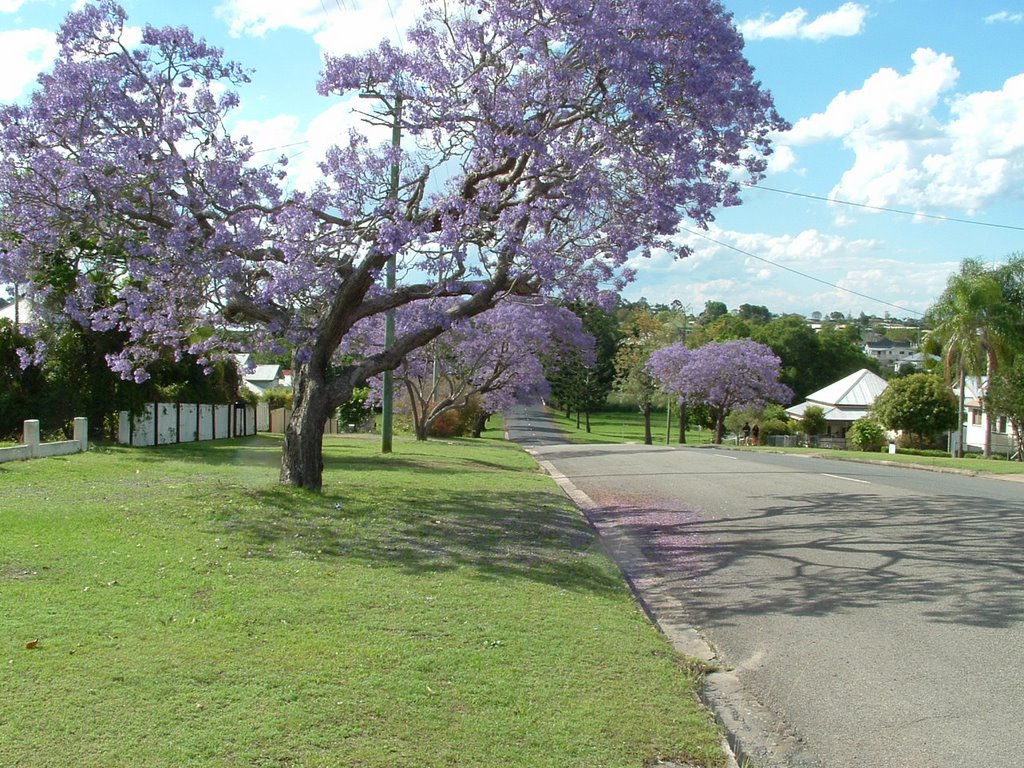
This little avenue of Jacaranda trees is at my front gate each Spring, makes
being alive a pleasure.

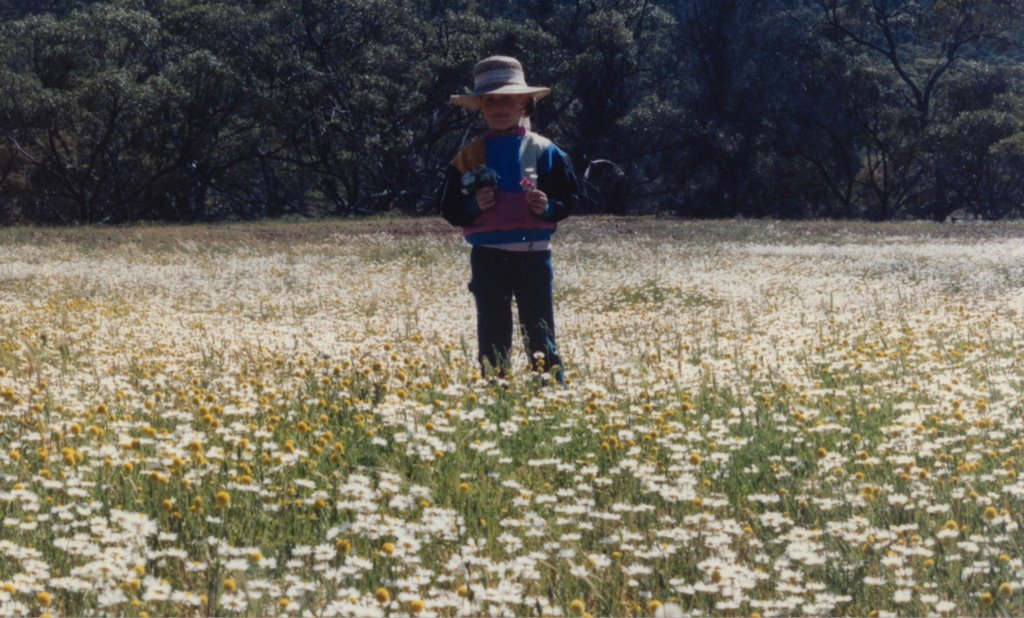
Same GD as before, but Stacey was only 4 years old when this was taken,
a profusion of wild flowers in the Gawler Ranges SA.

Not very far from Fosters Farm.

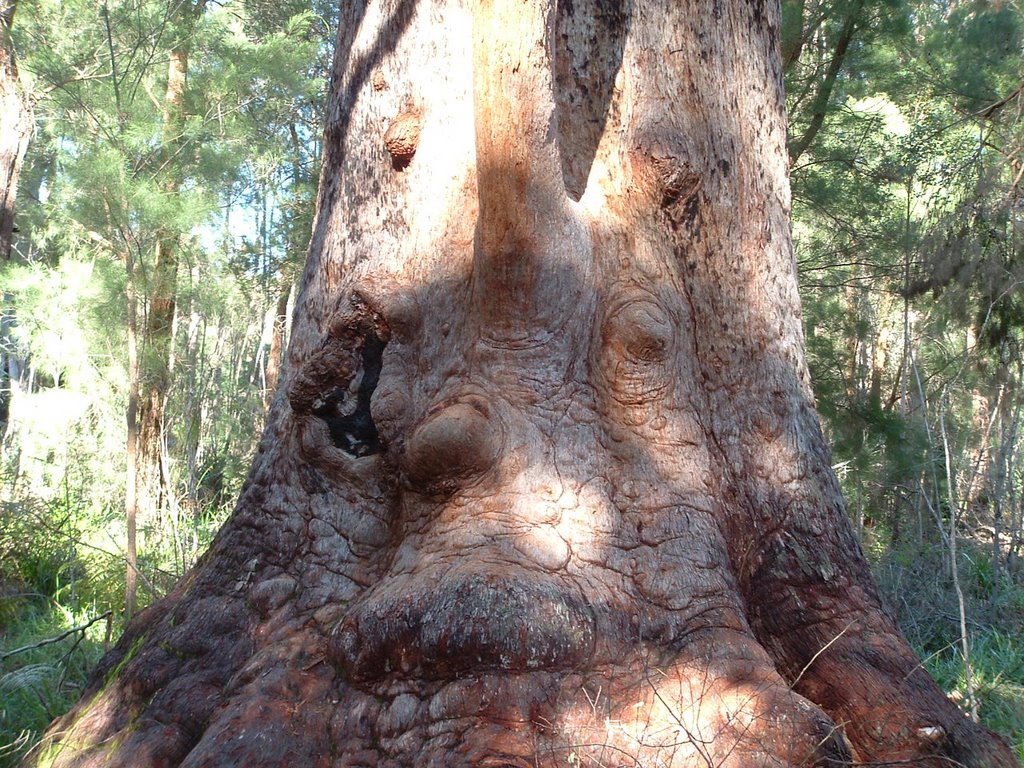
You make whatever you like from this photo, I see an evil face that would
have been at home in "Lord of the Rings"

It is a Tingle tree, located fittingly, in "The Valley of the Giants" near
Walpole in WA.

The giants refers to the giant Kauri trees that grow there, up to 30 metres
(95 Feet) tall, these are magnificent examples of natures best

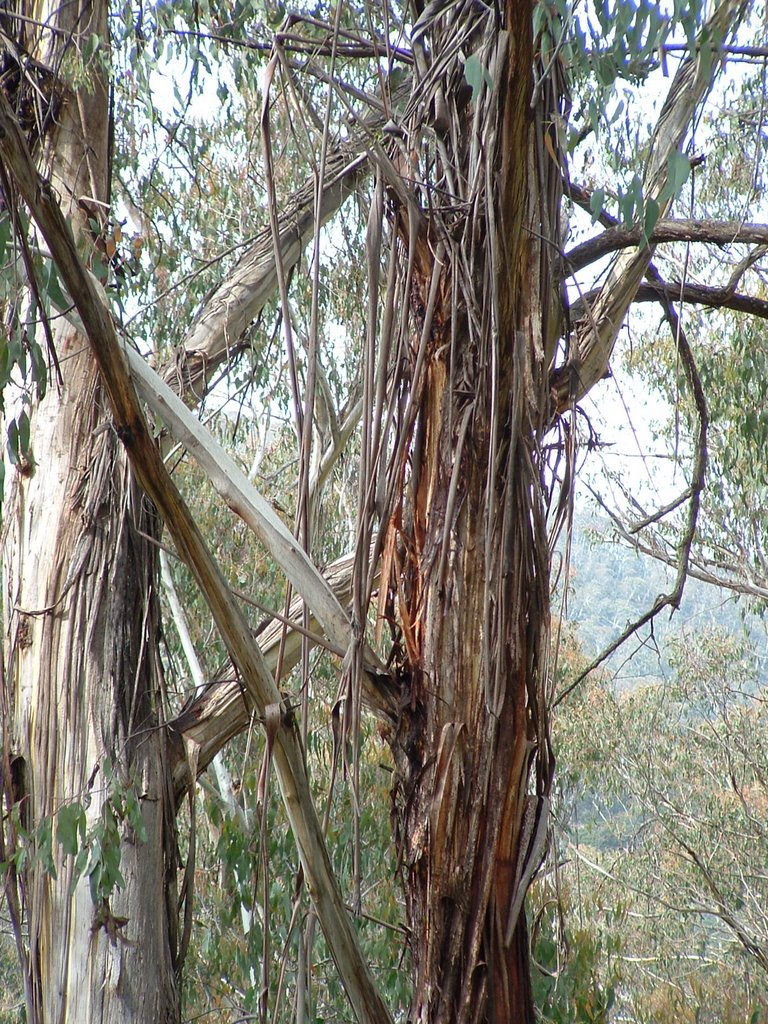
I just love this photo, it is the epitome of the Australian bushland.

Taken near Mansfield in Victoria on a recent visit.

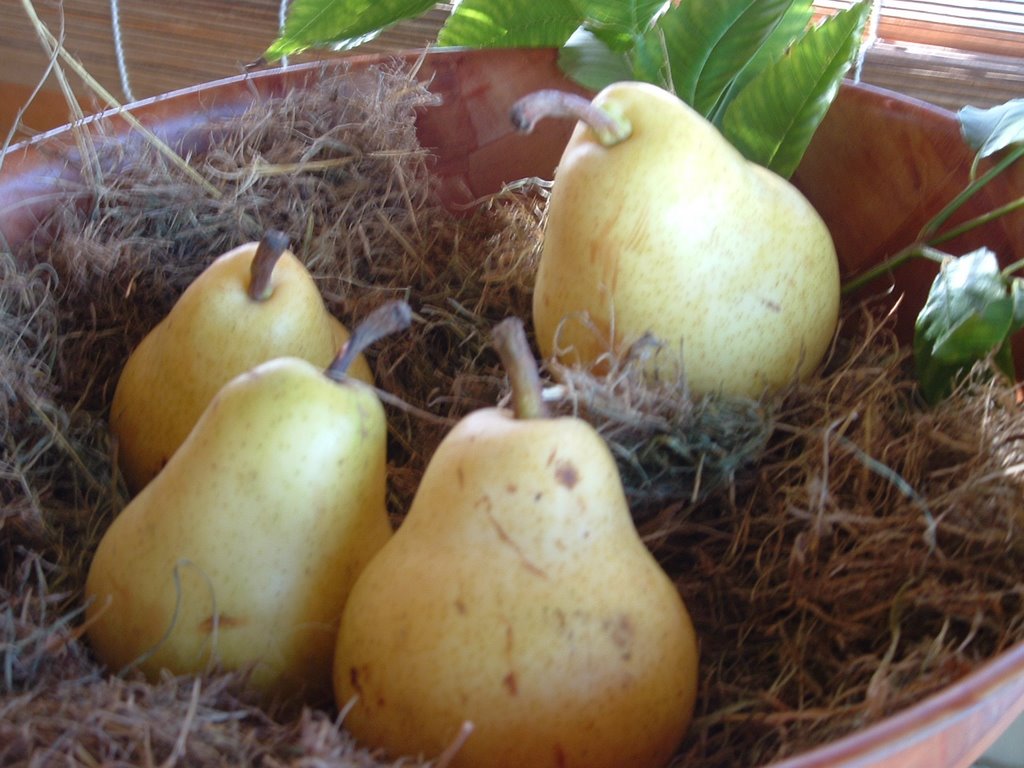
Mother and Babies

How do you like my, "Mother and Babies" photo? I guess they must be
Canaries? just going by the colour folks.

A camera, a bowl of fruit, an imagination, and the ability to pinch a good
idea that I saw somewhere!!!

18 April 2006

Platypus, The Missing Link ?

Hey, I know I said this site was for photos only, and I hinted that they would
be photos I had taken, well where ever possible that will be the case.

I just got so wrapped up in researching the Platypus that I decided to ignore
rule 1.

If you do not find this to be just as Intriguingas I did let me know so I don't do
it again.

Platypus

Platypuses are covered with three layers of thick brown fur.

Platypuses live near streams and lakes in eastern parts of Australia.

Platypuses eat worms and other small animals that live in the water.

Platypuses have webbed feet, a bill like a duck's, a tail like a beaver's.
The females lay eggs like a snake's and feed their young milk.


Platypuses are mammals that lays eggs. There are only two mammals that do this.
The echidna is the other. Mammals that lay eggs are called monotremes.


Platypuses live beside rivers, creeks and lakes in Australia.

Platypuses have webbed feet and a broad, flat tail about 12 centimetres long
that helps them swim. As they swim, platypuses close their ears and eyes.
They feel for food with their leathery bill, which has special nerves in it to
sense food. Platypuses are most often out looking for food before dawn and
for a few hours before sunset.

The platypus scoops up worms, shrimp, insect larvae and other small
animals that live on the bottom of rivers, creeks and lakes. They store the
food in cheek pouches, and swim to the surface to eat.

When they eat food, platypuses crush it with tough, horny pads on their upper
and lower jaws. They don't have teeth.

A platypus' body can be up to 45 centimetres long. They can weigh up to
2.3 kilograms. Males are larger then females. Male platypuses also have a
sharp, hollow claw-like spur behind the ankles on its hind legs. The spurs are
connected to poison glands. Male platypuses may use them to protect
themselves from predators and to fight other male platypuses during
mating season.

The platypus has webbed feet for swimming. On land, the webs turn back
to uncover claws on the feet which it uses to dig a long burrow in the banks
of rivers and creeks. Some burrows can be as long 25 metres. Each platypus
has its own burrow. Females build a nest of grass and leaves in a chamber at
the end of their nesting burrows when it is time to lay eggs.

Life cycle
After mating with a male platypus, (between June and October) a female lays one or two eggs. She lies curled up with the eggs between her body
and tail to protect them until they hatch.
The eggs hatch in about ten days
and the young stay with their mother for up to four months. They drink
milk that oozes from their mother's body, sucking it from her fur.

We Have Some Really Cute Animals

Australia's native fauna is among the worlds oldest and most diverse

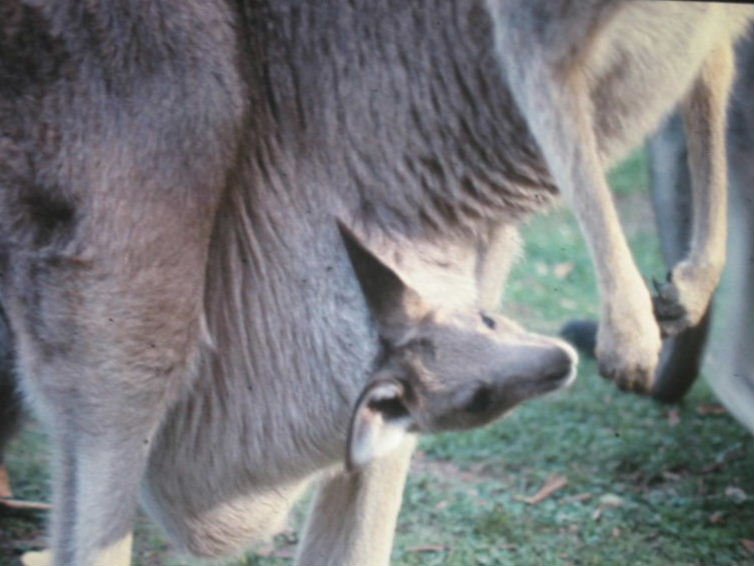
Here a "Joey" pokes his head from mom's pouch to investigate what she is
doing, the joey will hitch a ride with mom until he/she is nearly one third her
size before being banned, while carrying their joey the female roo can still get
up to nearly full speed.

Kangaroo's at full speed are a picture of poetry in motion, not as fast as some
of the real speedsters, but pretty damn quick just the same.

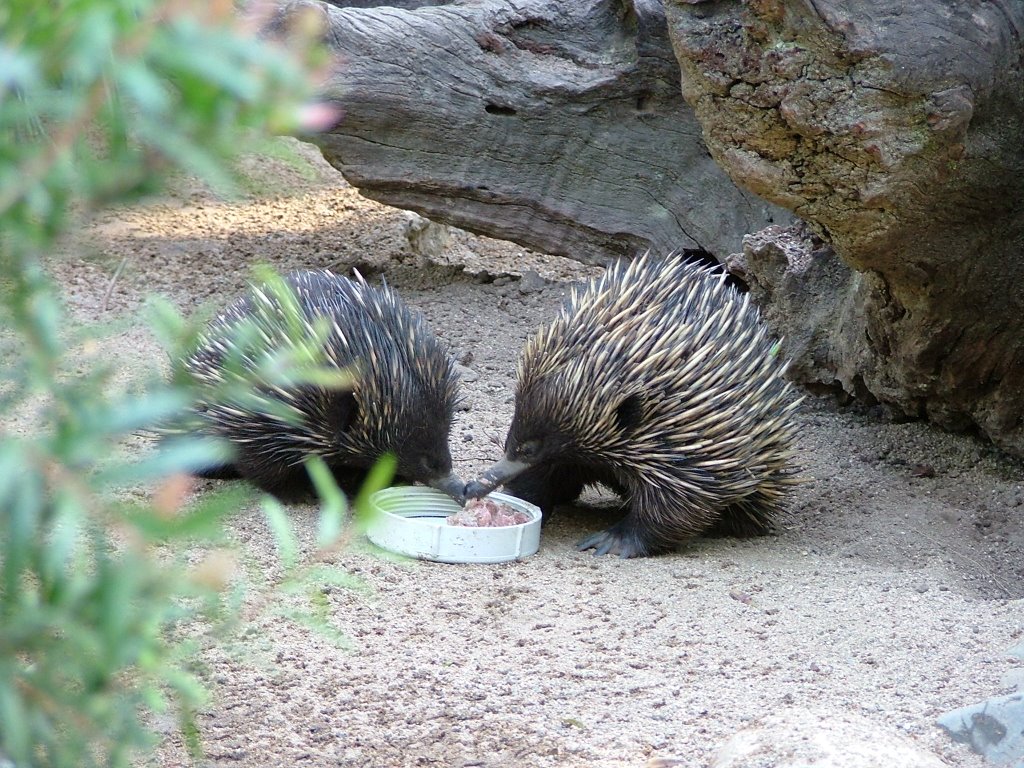
Echidnas, these were taken at Steve Irwin's Australia Zoo, I have a couple of
shots of them in the wild, but they are usually scurrying away as fast as their
little legs will take them, so I settled for this one.

These guys really push the time machine back to its limits, they are one of only
two egg laying mamals in the world, the other is the platypus, guess where they
live? yeah Australia.

Echidnas are covered with sharp spines, they live on a diet of ants and are very
well adapted by nature, they have a long snout and tongue to rumage for their
food, and extremely powerful digging claws on each foot, an alarmed echidna
can and will bury itself in the ground in a matter of 30/40 seconds.

This little lizard goes by the name of "The Thorny Devil" which is something of
a case of bad publicity, they are so cute and docile that you can pick them up to
study them and they just sit and wait for you to put them down again.

They are fairly rare, live in the desert type country that we have so much of
and survive on a diet of ants too, it's just as well we have plenty of ants, and
believe me , we do.

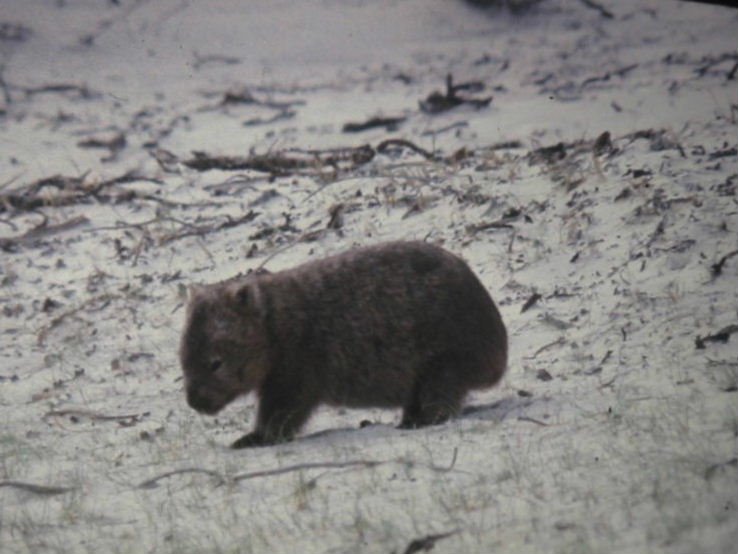
The Wombat is another of the fairly common animals in Australia, but as with
a lot of our native fauna, they are mainly nocturnal, so go by un-noticed by
most.

This fellow was coming out for the evening just a little before dusk on a sand
dune at Wilsons Promitory in Vic. when I took the photo.

This is the animal that gave birth to the saying; "he's just like a wombat, he
eats roots and leaves"